
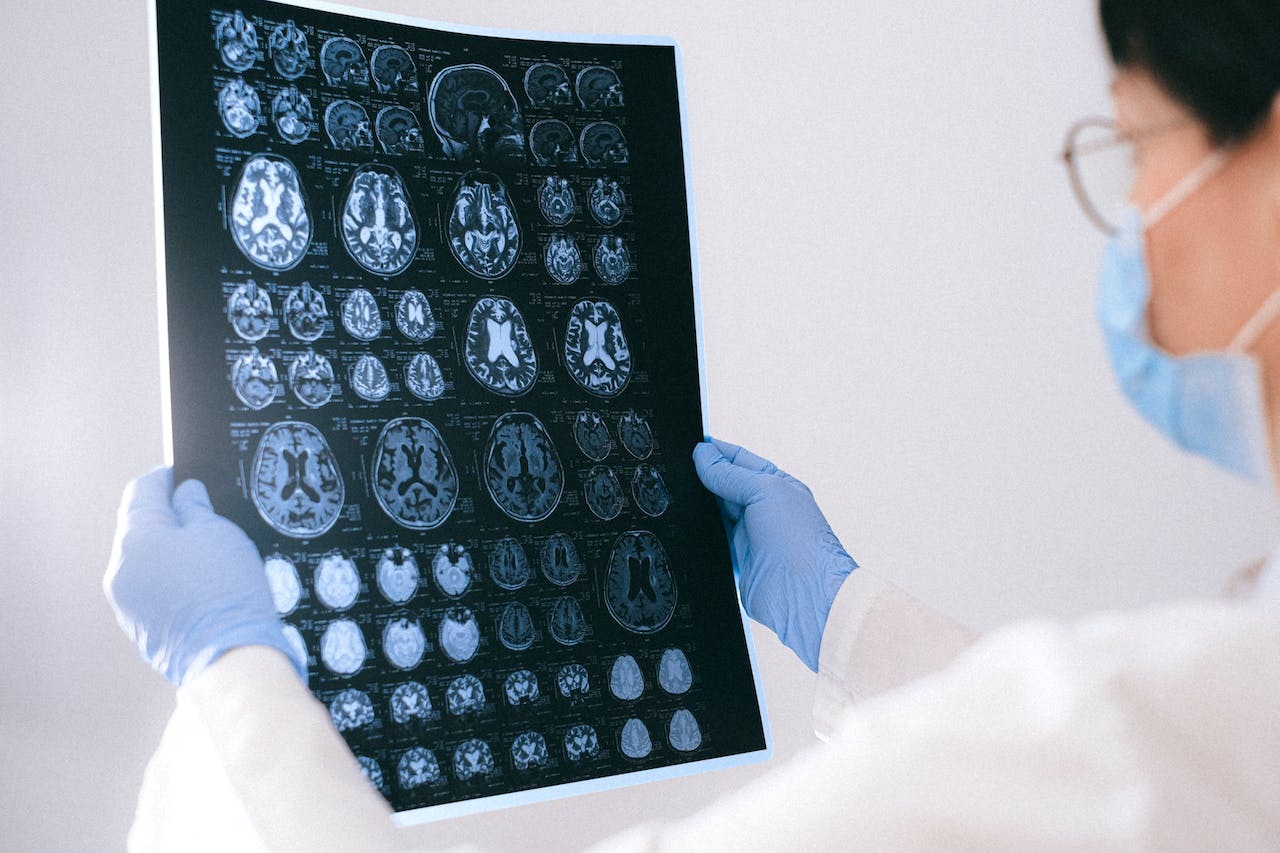
CNS therapy" typically refers to therapies or treatments that target the central nervous system (CNS). The central nervous system consists of the brain and spinal cord and plays a crucial role in controlling and coordinating various bodily functions. Therapies directed towards the CNS are designed to address conditions or disorders that affect the functioning of the brain and spinal cord. Here are some common types of CNS therapy:
- Neurocare - In the journey of neurocare, small lifestyle changes can lead to significant improvements in your nervous system health. By understanding the essentials of neurocare and incorporating them into your daily routine, you can foster a resilient and thriving nervous system for a healthier, happier life.
- Anxiety Disorder - Anxiety disorders are a group of mental health conditions characterized by persistent feelings of fear, worry, or unease. They can have a significant impact on daily life and well-being.
- Mood Disorders - Mood disorders are mental health conditions characterized by disturbances in a person's emotional state. These disorders impact a person's mood, leading to feelings of sadness, hopelessness, or extreme joy. The two main types of mood disorders are depressive disorders and bipolar disorders.
- Epilepsy Management - Epilepsy is a neurological disorder characterized by recurrent, unprovoked seizures. Seizures can vary widely in their presentation, and epilepsy can affect people of all ages.
- Traumatic Brain Injury - Traumatic brain injury refers to damage to the brain resulting from a sudden, external force. This force can cause a range of physical, cognitive, and emotional symptoms. TBIs can be classified based on the severity of the injury.
- Cognitive Dysfunction - Cognitive dysfunction refers to impaired cognitive processes that involve memory, thinking, reasoning, attention, and language. It can manifest in various ways and may result from various medical conditions, injuries, or neurological disorders.
- Autistic Disorder - Autism Spectrum Disorder is a neurodevelopmental disorder characterized by challenges in social communication and repetitive behaviors. The term "spectrum" reflects the wide range of symptoms and levels of impairment that individuals with ASD may experience.
- Dementia - Dementia is not a specific disease but rather an umbrella term for a set of symptoms associated with a decline in cognitive function that interferes with daily life. It affects memory, thinking, and social abilities, often to the extent that it impairs daily functioning.
- Depression - Depression is a common mental health disorder characterized by persistent feelings of sadness, hopelessness, and a lack of interest in activities. It affects the way a person thinks, feels, and handles daily activities.
- Schizophrenia - Schizophrenia is a severe mental health disorder characterized by disruptions in thought processes, emotions, and perception of reality. It often results in significant social and occupational dysfunction. While the exact cause is not fully understood, a combination of genetic, biological, and environmental factors is believed to contribute to its development.
Antipsychotic - Antipsychotic medications, also known as neuroleptics, are a class of drugs primarily used to manage symptoms of psychotic disorders, such as schizophrenia and bipolar disorder. These medications work by altering the effects of neurotransmitters in the brain, particularly dopamine, to alleviate symptoms like hallucinations, delusions, and disorganized thinking.