
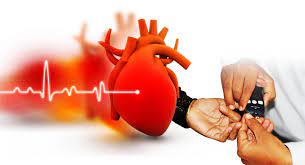
Cardiodiabetic therapy focuses on managing both cardiovascular diseases (CVD) and diabetes, as they are closely linked. The treatment aims to control blood sugar levels while reducing heart-related risks such as high blood pressure, high cholesterol, and heart failure.
Key Aspects of Cardiodiabetic Therapy:
Medications:
For Diabetes Control:
- Metformin (first-line therapy)
- SGLT2 inhibitors (e.g., Empagliflozin, Dapagliflozin) – also beneficial for heart health
- GLP-1 receptor agonists (e.g., Liraglutide, Semaglutide) – reduces heart risks
- Insulin (if required for advanced diabetes)
For Heart Health:
- ACE inhibitors/ARBs (e.g., Ramipril, Losartan) – for blood pressure control
- Beta-blockers (e.g., Metoprolol, Carvedilol) – for heart failure or previous heart attack
- Statins (e.g., Atorvastatin, Rosuvastatin) – for cholesterol management
- Antiplatelets (e.g., Aspirin, Clopidogrel) – to prevent blood clots
Lifestyle Modifications:
- Diet: Low-carb, high-fiber diet with controlled fats and sugar intake
- Exercise: Regular physical activity to improve insulin sensitivity and heart health
- Weight Management: Maintaining a healthy weight reduces both diabetes and heart risks
- Smoking & Alcohol Cessation: Essential to reduce cardiovascular risks
Regular Monitoring:
- Blood sugar levels (HbA1c)
- Blood pressure
- Lipid profile (cholesterol levels)
- Kidney function tests (since diabetes affects kidneys, impacting heart health)
Special Considerations:
- Patients with heart failure should avoid some diabetes medications like certain sulfonylureas or thiazolidinediones.
- Newer therapies like SGLT2 inhibitors and GLP-1 receptor agonists have been shown to reduce cardiovascular events in diabetic patients.